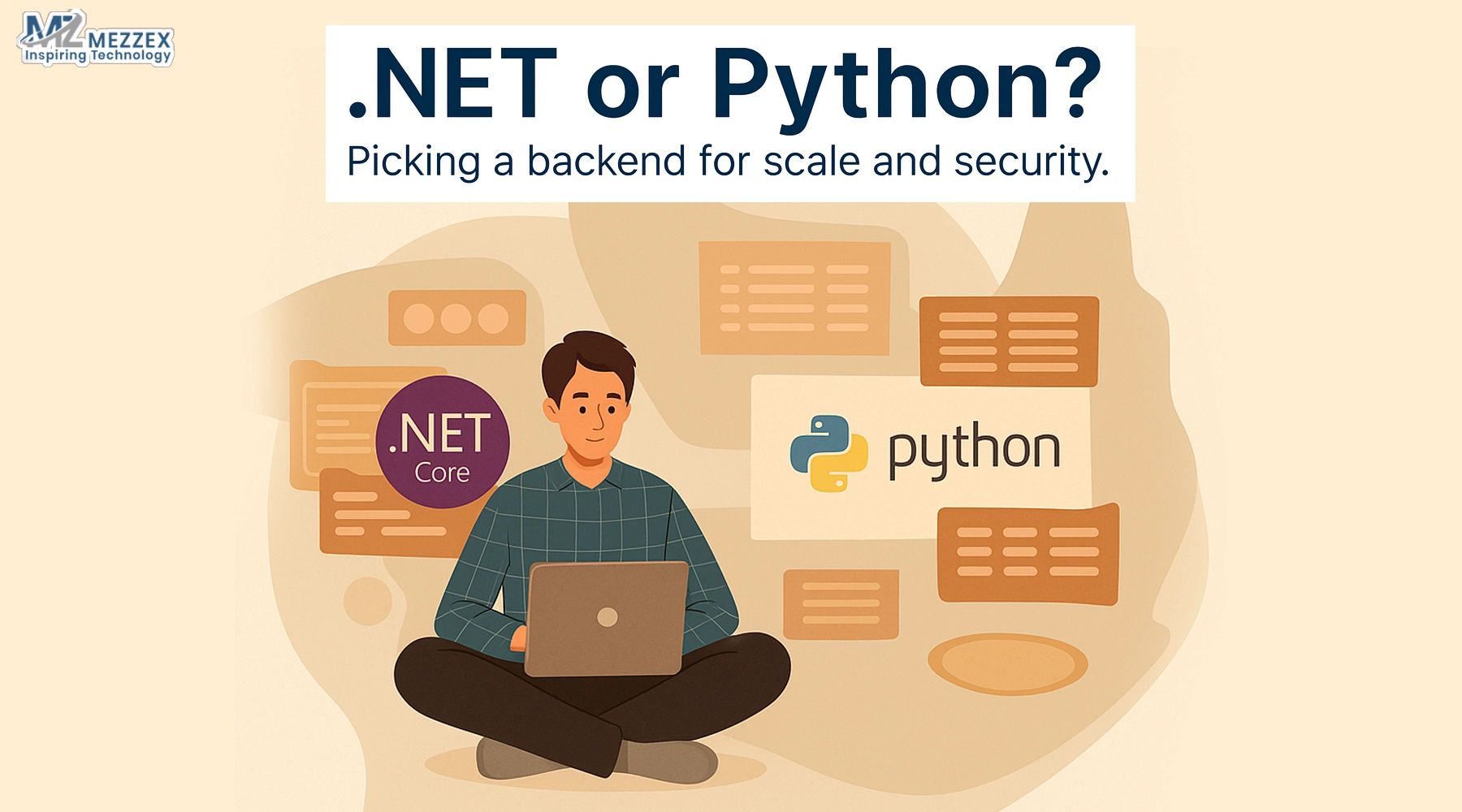
You plan a platform that must scale and protect data from day one. The choice often narrows to two proven paths: .NET or Python. Both run high‑traffic workloads, support cloud‑native patterns, and integrate with modern CI/CD. They differ in structure, developer experience, and long‑term operating model. This guide keeps the decision practical. It compares performance, security, hiring, ecosystem fit, and total cost. It covers what changes at 10k users, 100k users, and beyond. It shows how to keep latency low, ship faster, and pass security reviews. Use it to pick a backend for scale and security that supports the roadmap.
When .NET fits best
- Enterprise alignment: integrate with Microsoft 365, Azure AD, and SQL Server; standardise SSO, RBAC, and audit trails.
- Performance: use ASP.NET Core + Kestrel, gRPC, and AOT to cut p95 latency under load.
- Governance: apply strong typing, analysers, and nullable refs to reduce runtime defects.
- Deploy target: build on .NET 8; ship Linux containers for cost and orchestration parity.
- Support: rely on LTS cadence and vendor security updates for regulated workloads.
When Python fits best
- Data features: pair APIs with analytics/ML using pandas, NumPy, and PyTorch.
- Speed: ship with Django or FastAPI; reduce boilerplate and cycle time.
- Cloud‑agnostic: deploy to AWS/Azure/GCP; mix Postgres, Redis, serverless workers.
- Scripting: automate pipelines, migrations, and ops tasks with concise code.
- Hiring: access wide pools of web and ML engineers for blended teams.
Scale patterns used by both
- Stateless first: store sessions in Redis; push config via a secrets store; keep containers disposable.
- Horizontal scale: front with an API gateway; auto‑scale pods; add health probes and circuit breakers.
- Caching layers: CDN for assets, HTTP cache for idempotent reads, Redis for hot keys.
- Async jobs: offload long tasks to queues; set retries and dead letters; track worker lag.
- Observability: instrument traces/metrics/logs; define SLOs; alert on error budgets and saturation.
Security baselines to enforce
- Identity: implement OAuth 2.1/OIDC; enforce MFA for admins; scope tokens; short TTLs.
- Secrets: store keys in a vault; rotate every 90 days; block commits with pre‑commit and CI scanners.
- Validation: validate inputs at the edge; encode outputs; apply strict CSP and secure headers.
- Crypto: use TLS 1.2+; encrypt DBs/queues/objects; manage keys with HSM‑grade services.
- Supply chain: pin deps; generate SBOM on each build; gate merges on critical CVEs.
Performance engineering to keep p95 low
- Budgets: set route budgets (e.g., reads p95 < 200 ms; writes p95 < 400 ms); test with 3× peak.
- Data access: normalise writes; denormalise read models; add read replicas; cap query cost.
- ORM discipline: prevent N+1; cap page sizes; profile slow queries; add indices with proof.
- Concurrency: use async I/O; avoid global locks; watch thread pool usage or event loop lag.
- Hot paths: profile regularly; cache expensive results; move CPU‑bound work to workers.
Cost and operating model
- Runtime: both are free; cost sits in cloud, data, observability, and people.
- .NET bias: strong Azure alignment for identity/ops; centralised governance and SLAs.
- Python bias: broad OSS; flexible cloud mix; control cost with lean instances and spot where safe.
- Team metrics: track cycle time, change failure rate, MTTR; pick the stack that cuts rework.
- Tooling: budget for CI/CD, SCA/SAST/DAST, APM, tracing, staging parity.
Delivery speed with control
- Templates: standardise scaffolds (dotnet new; Django/FastAPI) with auth, logging, and linting baked in.
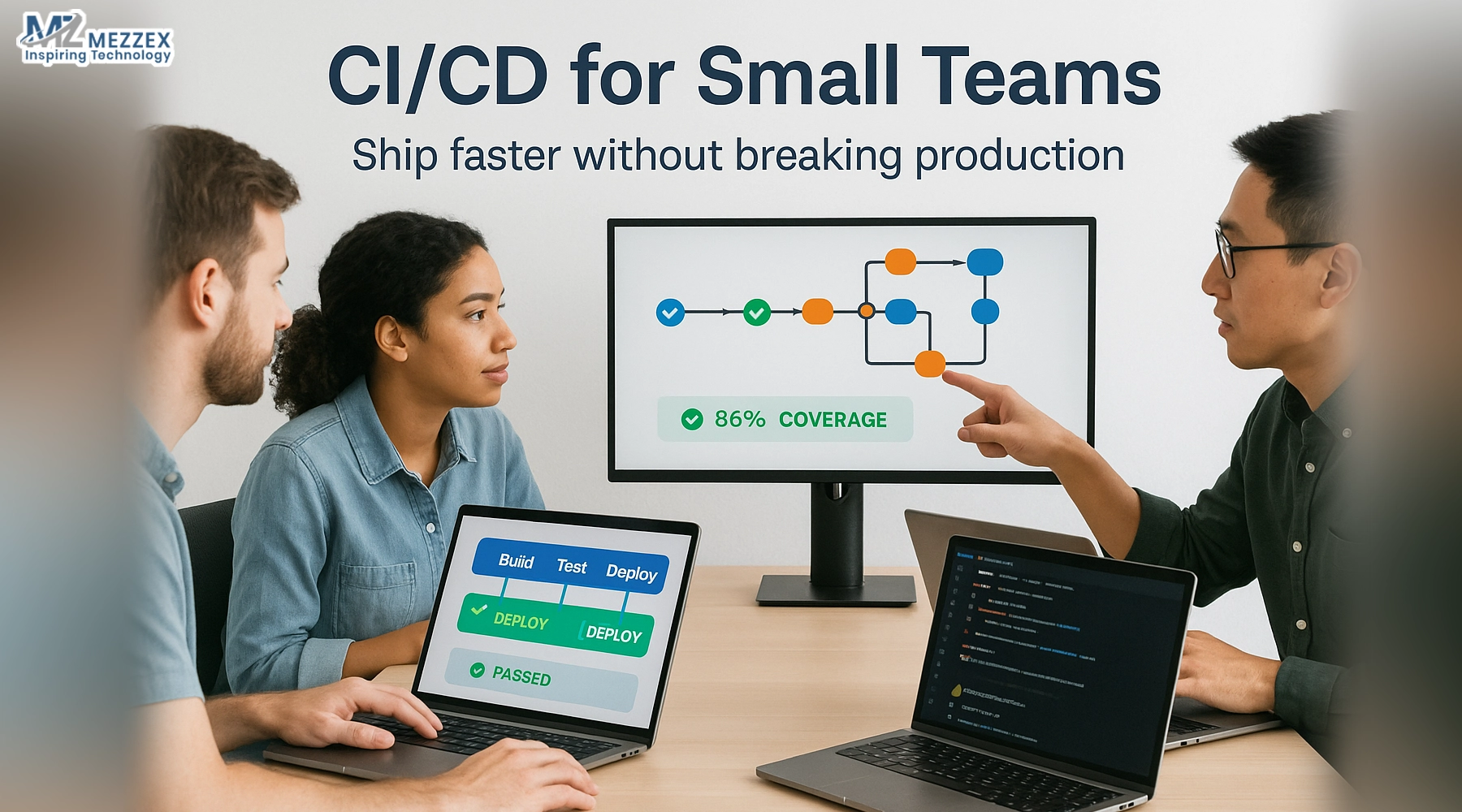
- CI gates: tests, coverage, secret scans, SBOM, and CVE checks on every PR.
- Releases: canary or blue/green; feature flags; scripted rollbacks and smoke tests.
- API contracts: publish OpenAPI; generate SDKs; document errors and rate limits.
- ADRs: record decisions; review quarterly as traffic and compliance change.
Data and messaging choices
- Relational core: Postgres or SQL Server; enforce migrations; protect schemas with review.
- Messaging: Service Bus/SQS/Kafka; define contracts; retries with exponential backoff; DLQs.
- Search/analytics: OpenSearch/Elasticsearch for text; stream events to a warehouse.
- Transactions: keep small; apply outbox for exactly‑once event publish.
- DR/BCP: enable multi‑AZ; rehearse failover quarterly; document RTO/RPO.
How to decide for scale and security
- Map requirements: latency/throughput targets, regulatory scope, audit, identity integrations.
- Run a spike: build one slice in both stacks; measure p95/p99, CPU, memory, and dev time.
- Count adapters: SSO, ERP/CRM, payments, ML; prefer fewer adapters and native SDKs.
- Model cost: cloud line items, APM, build minutes, senior hiring year 1–2.
- Stage rollout: start with one service; set platform baselines; scale after SLOs hold.
Scenario picks that stay practical
- B2B SaaS with Azure AD and SQL Server: pick .NET for native identity and LTS.
- Consumer app with ML personalisation: pick Python with FastAPI and workers.
- Marketplace: Python for catalog/search; .NET for billing/invoicing; share contracts at the gateway.
- Windows integration: .NET eases legacy interop while you containerise.
- Analytics‑heavy ops: Python for pipelines/notebooks; FastAPI for endpoints; OIDC for auth.
Risks to manage regardless of the stack
- Threat model each service; include abuse cases and token flows; test with security reviews.
- Least privilege: scope roles; rotate credentials; apply conditional access.
- Supply chain: scan SBOMs; patch monthly; fast‑track critical CVEs.
- Logging: include tenant, user, request id; mask PII at source; set retention by policy.
- Resilience: test DR quarterly; fix gaps before peak; rehearse rollback.
Backend checklist for scale and security
- Stateless services behind a gateway; sessions in Redis; config in a vault.
- CDN + HTTP cache + Redis; queues for long tasks; retries with backoff and DLQs.
- OpenTelemetry traces and metrics; SLOs with error budgets and saturation alerts.
- CI gates for tests/coverage/security; canary deploys and scripted rollback.
- Multi‑AZ; backups and restores; access reviews and key rotation.
Contact Us Today
Plan, compare, and ship a backend that scales and passes security reviews. Mezzex runs a short technical discovery, a .NET vs Python spike with p95, CPU, and memory metrics, and delivers a roadmap for identity, secrets, observability, caching, and queues. Start with one service, add a gateway, and standardise CI/CD and security scans across stacks. Set SLOs and error‑budget alerts before you scale the team. For an architecture proposal that fits timelines and budgets, call +44 121 6616357 or email info@mezzex.com to book a consultation and receive a side‑by‑side comparison with clear next steps.